Basima Takrouri
BIO
Biography
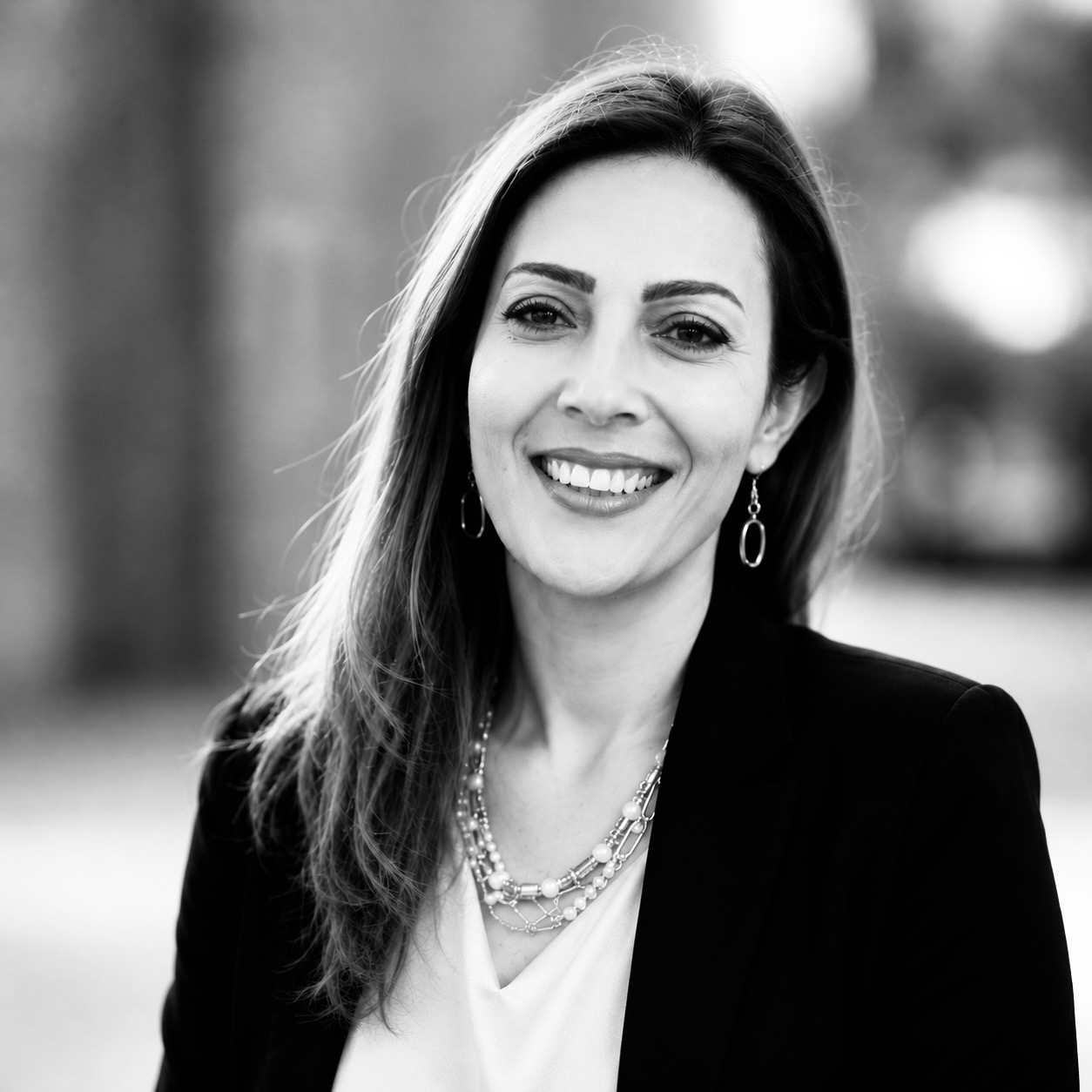
Basima Takrouri is a Palestinian Canadian novelist, poet, playwright, scriptwriter, literary translator and cultural operator based in Toronto. She published five books in Arabic before her debut English novel, The Imam: Tale of the Haunted Roads (2026), which she translated from her own Arabic original. The novel was published by Alhaderoun, the English translations imprint of LUMA Publishing. Inspired by her grandfather's life, it follows a family through the upheavals of twentieth-century Palestine.
She writes in both Arabic and English and works across genres. She has been a literary translator for the Palestine Festival of Literature since 2008. As a PhD researcher in Humanities at York University, she studies writing as self-translation in Palestinian Canadian fiction and memoir, with a focus on language, memory and inherited identity.
Basima has taught creative writing since 2006, and has taught at York University since 2025. In a two-year human rights project supported by Save the Children Sweden and Swiss cooperation, she taught creative writing to children and women in remote West Bank villages, using writing for self-expression and healing. She also designed a training-of-trainers program that prepared elementary and middle school teachers to use creative writing in their classrooms.
She is the 2026 recipient of the PEN Canada–Humber Writers-in-Exile Scholarship. She founded Nuwa Arts and Cultural Production in 2020, a Canadian nonprofit supporting artists and writers community. She is also a co-founder of LUMA Publishing, formed in 2024 when her independent Arabic imprint, BookTransits (founded 2023), joined with Alhaderoun, the English translation imprint founded in 2021 and run by Younis Atari.
ADDRESS
City: Toronto,
Province/Territory: Ontario
EMAIL
btkrory@gmail.com
LANGUAGES
Arabic, English
PUBLICATIONS
Publications
Title
The Imam: tale of the haunted roads
Publisher
Alhaderoun-LUMA publishing
Year
2026
Title
The Imam Arabic
Publisher
Annahda, LUMA, Tibaq
Year
2025
Title
Thorny Passage
Publisher
Marfa
Year
2024
Title
Diaries under occupation
Publisher
Tamer Institute
Year
2004
Title
Absent’s seat
Publisher
The Writers Union of Palestine
Year
2001
Title
Thorny Passage
Publisher
Bayraq
Year
2008
AWARDS
Awards
Name
Diaries under Occupation
Publication
Marfa, LUMA
Year
2024, 2025
LINKS
Links
PUBLIC PRESENTATIONS AND WORKSHOPS
Presentation details
Audience Size
Audience size
Up to 100
Presentation Genre
Genre: Literary fiction, historical fiction, poetry, translation
Presentation Length
55-60 mins Q&A included
Presentation Description
Presentation description
I've added a poetry reading as option 6. Here's the full description:
- The Imam and self-translation: Basima reads from her novel The Imam: Tale of the Haunted Roads, inspired by her grandfather's life, and talks about writing a family's story across twentieth-century Palestine. She also speaks about self-translation: writing a book in Arabic and recreating it in English, and what changes between languages, memory and identity.
- Writing satire: Toronto Middle Finger and the publishing and writers community. Basima reads from Toronto Middle Finger and talks about using satire to look at the publishing world and the writers' community, and about how humour can tell hard truths.
- Single mother immigrant writers: how do we do it? Basima speaks honestly about building a writing life while raising children alone in a new country: finding time, money and community, starting over in a new language, and keeping a creative voice alive through it all. The talk is open and practical, with time for the audience to share their own experiences.
- They said no, I didn't listen! Writers hear no from publishers, prizes, grants and gatekeepers all the time. Basima talks about refusing to accept a rejection as the final word: how to push back, ask again, find another door, or build your own, from founding her own cultural organization to creating new paths into publishing and being heard, and helping other voices be heard too.
- Writing trauma and trauma in writing. How do we write about pain without being consumed by it, and how does trauma shape the way a story is told? Drawing on her own work and on her years teaching creative writing to children and women in remote West Bank villages, Basima explores writing as a way to process trauma, release stress and find a voice, and the care writers need when they carry hard stories onto the page.
- Poetry reading. Basima reads from her poetry, including her English collection Nettle Memories. She writes her poems in both Arabic and English, each as an original, and the reading can move between the two languages, with a short conversation about memory, place and writing in two tongues.
Presentations can be in English or Arabic, or bilingual.
Presentation Fee(s)
$300, plus travel for events over 100 km
Workshop details
Audience Size
Up to 20
Intended Audience
Workshop intended audience: Teens (high school and up), adults, emerging and established writers, and teachers. Workshops can be adapted for elementary and middle school students, newcomers, women's groups, and Arabic-speaking and bilingual communities.
Workshop Length
90 minutes to 2 hours, or a multi-session series
Workshop Description
Workshop description
I've retitled workshop 7. Here's the full list:
- Writing from memory. Participants turn a family story, a place or an object from their past into a short piece of fiction or memoir. Basima shares how a family story became her novel The Imam, then guides participants through prompts for finding, shaping and telling their own stories.
- Writing to heal. Drawing on her work with children and women in remote West Bank villages, Basima leads gentle, structured exercises that use writing for self-expression, processing hard experiences and releasing stress. The workshop is safe and supportive, and no writing experience is needed.
- Writing between two languages. For bilingual and multilingual writers, this workshop explores self-translation: writing in your first language, recreating the work in English, and letting each version find its own voice and music. Participants work on a short piece in both languages.
- Poetry: finding the music. A hands-on poetry workshop on rhythm, repetition, sound and the image. Participants read short examples, write new poems from prompts, and learn how to carry a poem's music across languages.
- Creative writing in the classroom (for teachers). Based on the training-of-trainers program Basima designed and led for elementary and middle school teachers, this workshop gives educators ready-to-use exercises and methods for bringing creative writing into lessons and extracurricular activities.
- Refining character arcs. For writers with a story or manuscript in progress, this workshop looks at how characters change from the first page to the last: what they want, what stands in their way, and the choices that transform them. Using examples from her novel The Imam, Basima guides participants to map, test and strengthen the arc of their own characters.
- Archive and the imagined in historical fiction. Where does the record end and the story begin? This workshop explores how writers move between documents, photographs, oral histories and family memory and the freedom of the imagination. Drawing on writing The Imam, a novel inspired by her grandfather's life, Basima guides participants to find the gaps in the historical record and fill them with imagined lives while staying true to the past.
All workshops are available in English or Arabic, or bilingual.
Workshop Fee(s)
$500 per session (up to 2 hours)
School presentation details
Audience Size
35 in one class or 100 in an assembly
Intended Audience
School presentation intended audience: Grades 4 to 12. Creative writing sessions are adapted for elementary and middle school students; readings and talks about The Imam, history and writing between two languages are for high school students
Presentation Length
School presentation length: 45 to 60 minutes (one class period), or a half-day workshop
Presentation Description
Presentation description
School presentation description:
- Stories from my grandfather's life (grades 9 to 12). Basima reads from her novel The Imam: Tale of the Haunted Roads and talks about turning family history into fiction. Students learn how writers use memory, research and imagination, and they write a short piece about a story from their own family.
- Writing in two languages (grades 7 to 12). Basima shares how she writes in Arabic and English and translates her own work. A lively, interactive session for multilingual students and anyone curious about how languages shape the stories we tell.
- Creative writing for young writers (grades 4 to 8). A hands-on workshop with fun, simple prompts that help students find ideas, build characters and write about their own world. Based on Basima's years of teaching creative writing to children.
- Writing for self-expression (grades 4 to 12). Gentle exercises that help students put feelings and experiences into words, drawing on Basima's work using creative writing with children in remote West Bank villages. A safe, supportive session suited to newcomer students and wellness programs.
Sessions are available in English or Arabic, or bilingual, and can be adapted to the class's grade and curriculum.
Presentation Fee(s)
School presentation fee(s): $300 per presentation, $500 for a half day, plus travel for schools over 100 km
EQUITY INITIATIVE
As part of the Union’s Equity Implementation Plan, we are committed to increasing awareness of authors who are Black, Indigenous, racialized, LGBTQI2S, or living with a disability. This author identifies as:
Members who identify as:
Black, Indigenous, and/or racialized
Living with a disability
Programs & Interests
Interested in participating Union’s Ontario Writers-in-the-Schools program:
All members are eligible for the Union’s Ontario Writers-in-the-Schools program. Are you interested in participating in this pro
Yes
Interested in participating in the Northern Ontario WITS program:
The Union’s Northern Ontario Writers-in-the-Schools program funds in-person visits to northern Ontario schools when possible. Ar
Yes